
The Pitt, the Mayo Clinic, and Why Organizations Are Turning to Improv to Build Human Skills That Matter
by Holly Mandel
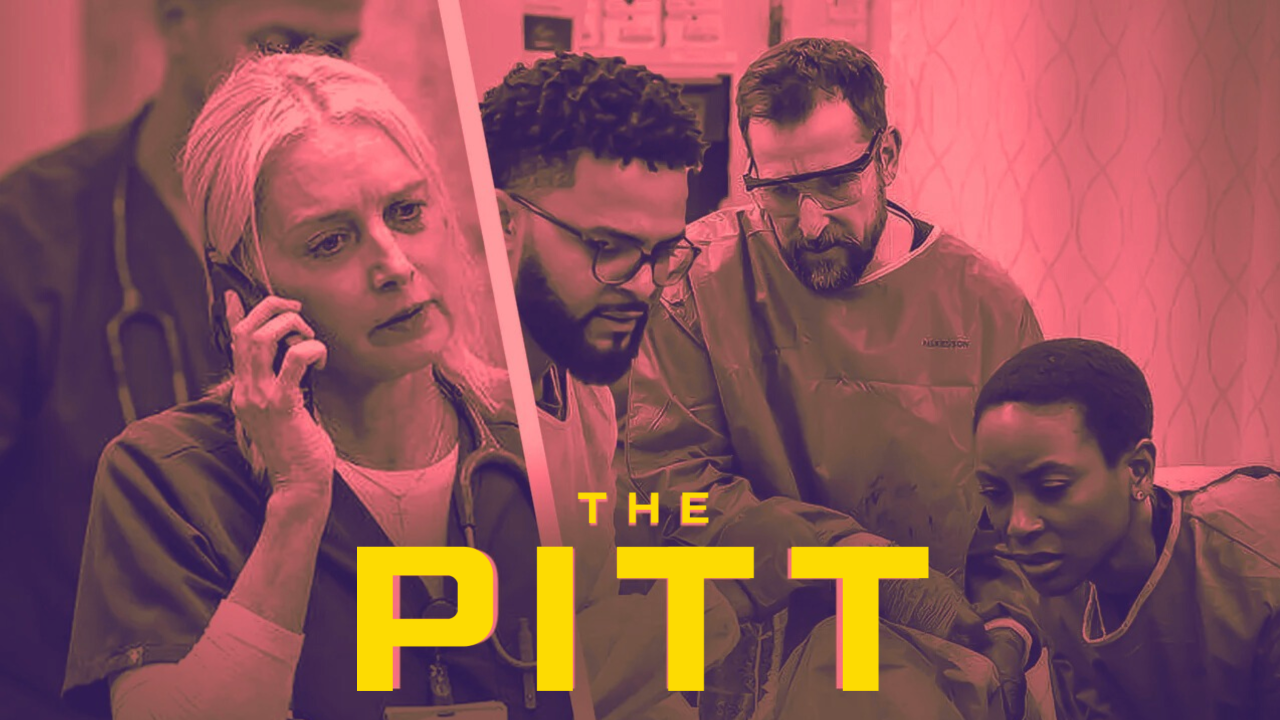
I am one of the millions of people watching THE PITT. It’s as addicting as it is fascinating… and honestly, it’s giving me a deeper appreciation for hospital teams! (which was already pretty high).
One of the biggest themes? How doctors interact with patients—and with each other. Those moments when empathy, quick thinking, and real listening matter as much as medical expertise. It shows, like any good show, the importance of teams working together, communication, and the power of human skills to do the seemingly impossible.
Which is why today’s NPR story really caught my attention:
It was a story about something you don’t always think of when you think of a hospital: laughter. At Minnesota’s Mayo Clinic, medical residents are required to take improv comedy classes to get better at listening, empathy, and connection.
And here’s the thing: this isn’t about teaching people to be funny. It’s about teaching them to be human—a skill that, ironically, often gets lost in the very fields where it matters most.
That story reinforces something we share with clients all the time: human interaction isn’t optional—it’s everything. Yet developing those skills is rarely easy. That’s why I’m so passionate about improv training for companies. The skills we teach—care, adaptability, trust—are serious. But the experience of learning them? Anything but. It’s engaging, collaborative, and yes, even fun, because that’s what makes the lessons stick.
The Hidden Skill Gap
In the NPR piece, the doctors admitted that these exercises changed how they think. Improv helped them:
Respond calmly and thoughtfully when a patient is anxious or fearful.
Use “Yes, and…” to validate concerns instead of shutting them down.
Notice body language and tone—the silent cues that matter as much as words.
“By the end of a workshop, the doctors were saying, this really was getting me to think about how do I connect with another person? How do I practice empathy?”
These aren’t textbook skills. They require practice, in real time, with other humans. And that’s why improv works—it gives professionals a safe space to build the habits that help them thrive when the stakes are high. It's the power of experiential learning as opposed to conceptual -- we all may think we have empathy and are good listeners, however in a training session everyone is able to actually see how true that is and then are given tools to improve them, in real time.
Beyond Medicine: Why It Matters Everywhere
If improv can help doctors connect in moments that truly count, imagine what it can do for any team navigating uncertainty.
Think about today’s workplace:
Remote work makes real connection harder.
Leaders juggle constant change.
Customers expect empathy at every turn.
These aren’t “soft” skills—they’re core to how we work, lead, and serve.
And yet, most of us never practice them. We’re handed scripts and playbooks, but what happens when the conversation goes off-script?
That’s where improv shines—because it’s not theory. It’s live practice in the skills that make human interactions work.
Why Improv Works Where Other Training Falls Short
Traditional training often focuses on theory—slides, scripts, and rules. Improv flips that. It’s experiential, active, and fun. People practice adaptability in real time, learning how to:
Listen without an agenda.
Say “Yes, and…” to build ideas rather than block them.
Navigate uncertainty with confidence instead of fear.
As one Mayo Clinic participant said, these skills “can’t be learned from a textbook.” The same is true for leadership, team collaboration, and customer experience. These are live, in-the-moment skills—and improv is the gym where you strengthen them.
92% of executives say soft skills like communication and collaboration are as critical as technical skills, yet most organizations underinvest in them.
Corporate Improv isn't about teaching you to be funny. It teaches you to be present, to adapt, and to connect—skills that matter everywhere people work together. And...it's always a lot of fun!